
Best Sound Therapy for Autism is a gentle and holistic approach that uses sound vibrations and healing frequencies to support emotional balance and relaxation. Sound therapy for autism is becoming popular as an effective autism sound intervention that helps improve focus and reduce anxiety. Sound healing autism benefits include calming the mind, improving attention, and supporting overall well-being through techniques like binaural beats and healing sound frequencies.
What is Sound Therapy for Autism?
Sound therapy for autism is a holistic and non-invasive approach that uses sound vibrations, tones, and healing frequencies to support individuals with autism spectrum disorder. This autism sound intervention helps calm the nervous system and reduce sensory overload, making it easier for individuals to relax and focus. Sound healing for autism is increasingly used to support emotional balance and create a soothing environment that promotes overall well-being.
Sound therapy sessions for autism may include techniques such as binaural beats, singing bowls, tuning forks, and guided sound meditation. These autism sound therapy techniques use healing sound frequencies autism to influence brainwave activity, reduce stress, and improve attention. The sound healing autism benefits include better relaxation, reduced anxiety, and improved emotional regulation, making sound therapy a valuable complementary support alongside traditional autism treatments.
How It Works
Sound therapy for autism works by using specific sound frequencies to support brainwave synchronization, allowing the brain to shift from a stressed or overactive state to a calmer and more balanced state. This process activates the relaxation response, helping to reduce sensory overload, lower anxiety, and improve focus. As the nervous system becomes calmer, emotional regulation improves, making it easier for individuals to manage stress and emotions.
During sound therapy sessions for autism, gentle sounds, rhythmic tones, and healing frequencies are used in a quiet and supportive setting. These sessions help create a soothing environment that encourages deep relaxation and emotional balance. Regular sound therapy sessions for autism can support calm behavior, better attention, and overall well-being when used alongside other therapeutic approaches.
Types of Sound Therapy Used for Autism
Binaural Beats Autism Therapy – Uses two different sound frequencies to support brainwave balance, calmness, and improved focus.
Singing Bowl Sound Healing – Produces gentle vibrations that help reduce sensory overload and promote relaxation.
Tuning Fork Therapy – Applies specific healing frequencies to support emotional balance and nervous system calming.
Vibroacoustic Therapy – Uses low-frequency sound vibrations to improve sensory regulation and relaxation.
Guided Sound Therapy Sessions for Autism – Combines soft music, nature sounds, and healing sound frequencies to create a soothing environment.
Music-Based Sound Therapy – Uses structured and calming music to support attention, emotional regulation, and stress reduction.
Benefits of Sound Therapy for Autism: Healing Frequencies & Relaxation Support
Sound therapy for autism offers calming and supportive benefits by using healing frequencies to gently influence the nervous system. One of the main sound healing autism benefits is improved relaxation, as sound vibrations help reduce stress and sensory overload. This relaxation support allows individuals to feel calmer and more comfortable in their environment, making daily activities easier to manage.
Another important benefit of autism sound therapy is better focus and emotional regulation. Healing sound frequencies help balance brainwave activity, which can improve attention and reduce anxiety. Regular sound therapy sessions for autism also support emotional stability, improved sleep patterns, and overall well-being, making sound therapy a valuable complementary approach alongside traditional autism therapies.
Popular Sound Healing Methods for Autism
Popular sound healing methods for autism include binaural beats, singing bowls, tuning forks, and guided sound therapy sessions. These techniques use healing sound frequencies to promote relaxation, reduce sensory overload, and support emotional balance.
1. Binaural Beats Autism Therapy
Binaural Beats Autism Therapy helps with brainwave modulation by playing two slightly different sound frequencies in each ear, encouraging the brain to synchronize into a calmer and more balanced state. This process supports relaxation and improves focus while reducing overstimulation. Binaural beats also benefit sensory processing by lowering sensory overload and anxiety, helping individuals with autism feel more relaxed, emotionally balanced, and comfortable in their environment.
2. Healing Frequencies Autism
In the best sound therapy for autism, healing frequencies are used to calm or gently stimulate the nervous system to support emotional balance and focus. Calming frequencies help reduce anxiety and sensory overload, while stimulating frequencies support attention and mental clarity. Commonly used frequencies include Delta waves for deep relaxation and sleep, Theta waves for emotional calming, and Alpha waves for relaxed focus. Frequencies like 432 Hz promote calmness, while 528 Hz supports emotional healing, making healing frequencies an effective and gentle autism sound intervention.
3. Guided Sound Therapy Sessions
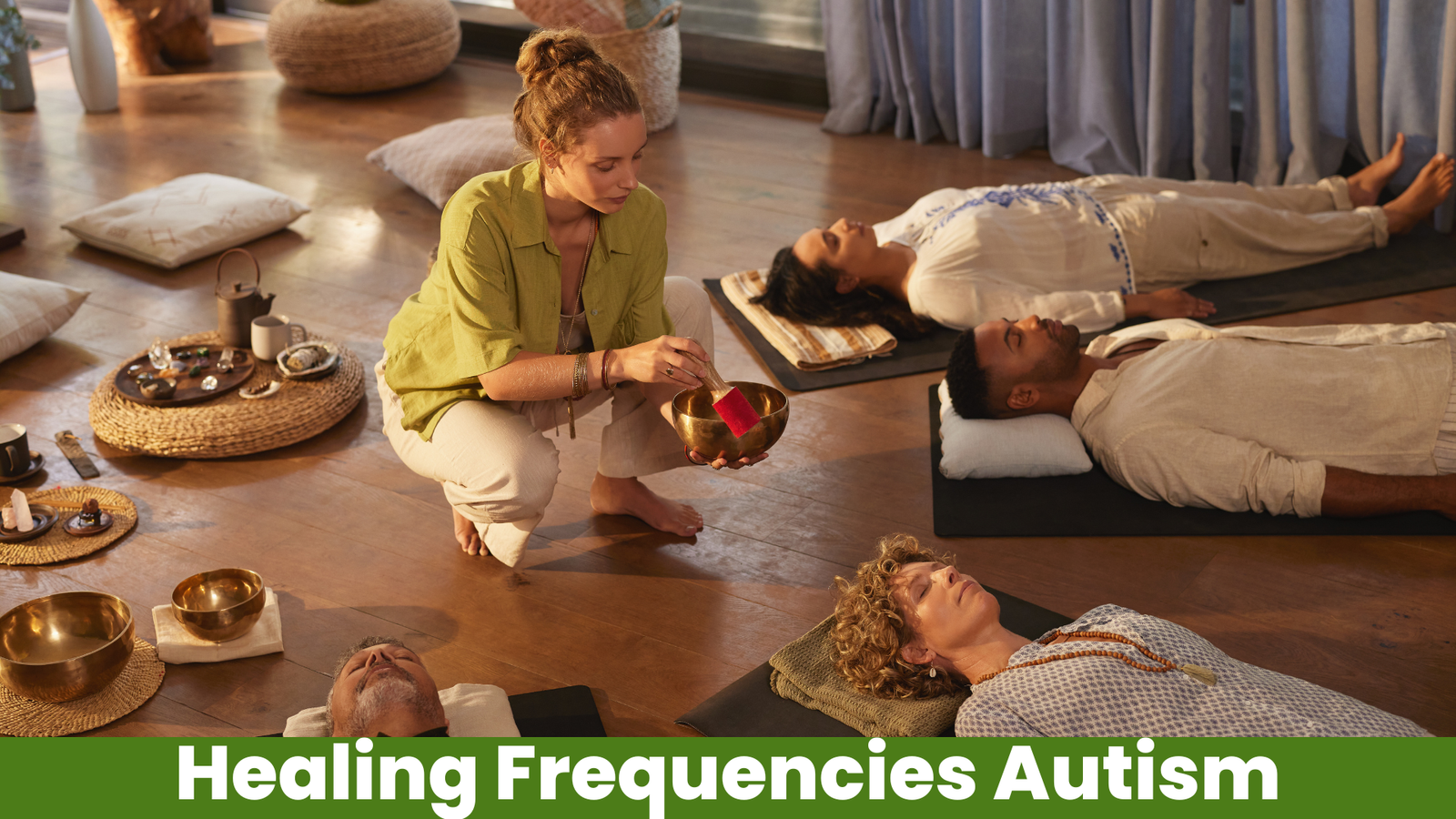
Sound therapy sessions for autism are guided experiences conducted in a calm and comfortable environment to reduce sensory distractions. During the session, gentle sounds and healing frequencies are played using instruments such as singing bowls, tuning forks, soft music, or binaural beats as part of an effective autism sound intervention. These sound therapy sessions for autism usually last between 20 to 45 minutes and focus on promoting relaxation, emotional balance, and sensory regulation in a peaceful setting.
Tips for Parents and Caregivers Using Sound Therapy for Autism
Start with Short Sessions – Begin with brief sound therapy sessions for autism to help the child adjust comfortably.
Choose Calming Frequencies – Use gentle healing frequencies and soft sounds to reduce sensory overload and promote relaxation.
Create a Peaceful Environment – Conduct sessions in a quiet, familiar, and comfortable space to make autism sound intervention more effective.
Maintain Consistency – Schedule regular sessions to support focus, emotional balance, and long-term relaxation benefits.
Observe and Adapt – Monitor the child’s response to different autism sound therapy techniques, such as binaural beats or singing bowls, and adjust accordingly.
Combine with Other Therapies – Integrate sound therapy with other supportive interventions to maximize sound healing autism benefits and overall well-being.
Research and Evidence Supporting Sound Therapy
Numerous studies highlight the benefits of sound therapy sessions for autism, showing that structured exposure to calming sound frequencies can improve focus, reduce anxiety, and support emotional regulation. Research on binaural beats autism therapy demonstrates that listening to specific frequency patterns helps synchronize brainwaves, promoting relaxation and better sensory processing. Similarly, studies on healing sound frequencies autism reveal positive effects on mood, attention, and overall well-being, confirming its role as an effective autism sound intervention.
These findings support the growing recognition of sound healing autism benefits among therapists and parents, showing that regular and guided sound therapy sessions can complement traditional interventions. By integrating sound therapy into daily routines, children with autism may experience reduced stress, improved relaxation, enhanced focus, and better emotional balance, making it a valuable and evidence-backed approach for holistic autism support.
Conclusion
Sound therapy for autism is an effective and gentle approach that supports relaxation, focus, and emotional balance through carefully designed autism sound therapy techniques and healing frequencies. The sound healing for autism benefits, including reduced anxiety and improved sensory regulation, make it a valuable complement to traditional therapies. Parents and caregivers are encouraged to consult certified therapists for personalized guidance. Explore the best sound therapy techniques and healing frequencies to support children with autism and enhance their overall well-being.
FAQs (Optional, for Rich Snippets)
1. What is the best sound therapy for autism?
Techniques using healing sound frequencies, binaural beats, singing bowls, and guided sound sessions are considered the best sound therapy for autism, supporting relaxation, focus, and emotional balance.
2. How long do sound therapy sessions for autism last?
Sessions usually last 20–45 minutes, starting shorter for comfort and gradually increasing.
3. Can sound healing help with anxiety in children with autism?
Yes, sound healing for autism reduces anxiety and sensory overload, promoting calmness and emotional regulation.
4. What are the most effective autism sound therapy techniques?
Effective techniques include binaural beats, singing bowls, tuning forks, vibroacoustic therapy, and guided sound sessions.
5. Are binaural beats safe for children with autism?
Yes, when used at safe volume and duration, binaural beats are a gentle autism sound intervention for relaxation and focus.
Table of Contents
Related Content – Best Sound Therapy for Autism
Content Writing—Digital Entire—Digital Marketing Company